

Period 2
Here we will post regular updates on the current excavations and post excavation taking place on site here at Magna Roman Fort during Period 2 of the 2026 excavation season.
You will hear from our archaeologists and volunteers as they share news and thoughts about what is being uncovered, the challenges and the highlights of the excavation season.
20th April
It’s that time again! We’ve officially welcomed our new crew for Period 2, and the weather gods held out for us once more as we kicked off the week.
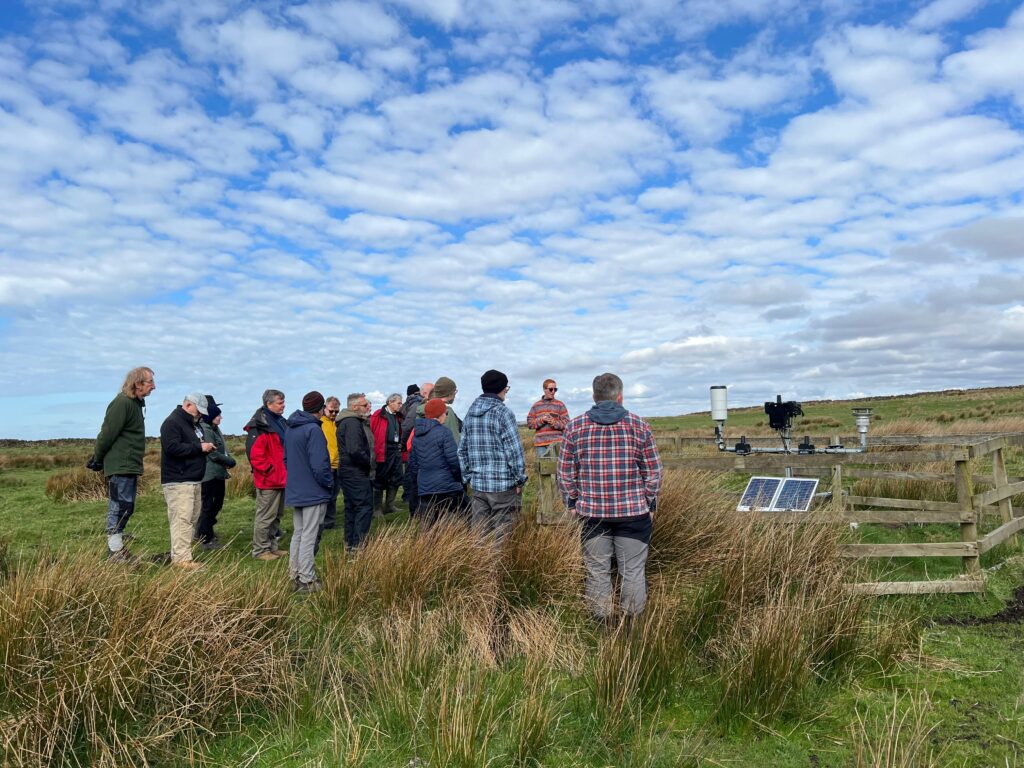
We started the day with our essential introductions, followed by another brilliant site tour led by Rachel. Franki also provided an insightful environmental recap and shared some reflections on our goals for the coming weeks, ensuring everyone is primed and ready to dig into the history.
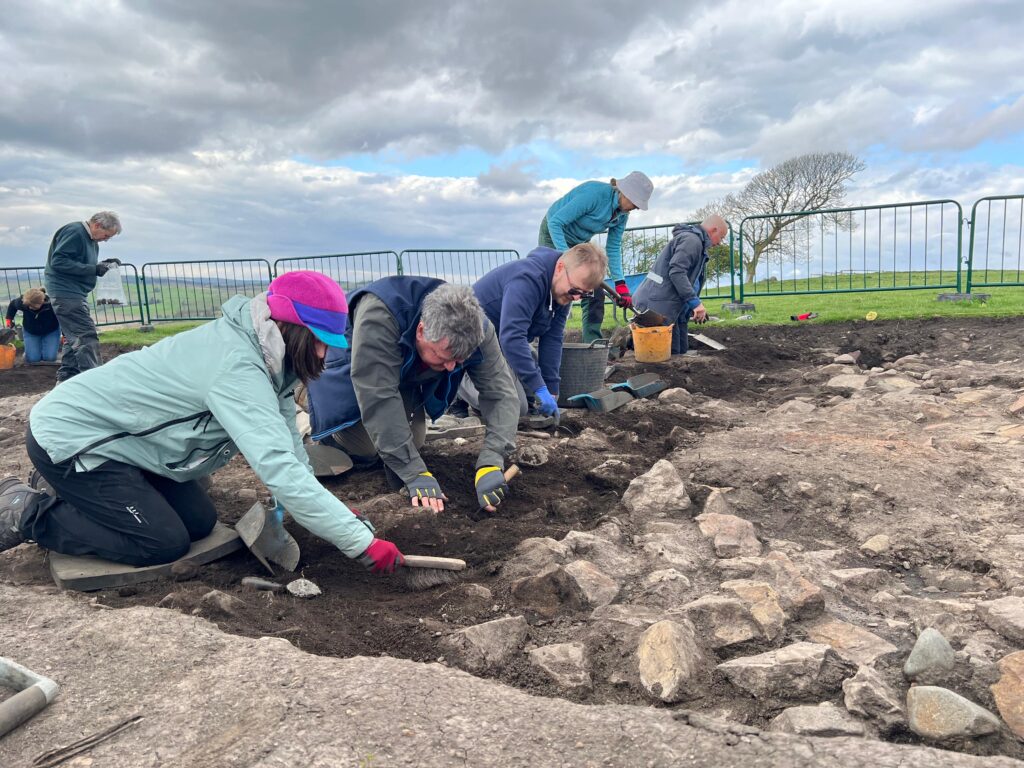
The team began by cleaning back the excellent work completed by the previous group, focusing on clearing further topsoil near the northern quadrant. It didn’t take long for the site to start yielding its secrets. With the pottery we’ve already seen a lovely assortment of ceramics, including more Samian and classic black burnished ware. Our daily finds continue the trend of finding animal bone alongside some beautiful shards of what appears to be Roman glass.
So far this Monday, the group has successfully avoided the dreaded de-turfing! They may have escaped the heavy lifting for now while we all get settled back in with the sun, shovels, and barrows but the green turf is waiting for us, and we can’t wait to see what lurks beneath. Tommy
24th April
It’s been another wonderful week with our second group of volunteers here at Magna, who have been busy making lots of progress across the site.
The most obvious change onsite is the large amount of grass that has disappeared! This was taken off by machine under the watchful eye of myself and other members of the archaeological team over a couple of days, instead of the months it would have taken to do by hand. The full size of the trench has now been deturfed and while its still just a large blank area of topsoil for now, it gives a sense of how large the commanding officer’s house will be when it’s fully excavated.
The turf removal also included the extension on the southwest corner of the trench, where we will be going into the southern ditches of the fort very soon. Already the volunteers have been able to define a bank of clay and stone following the curve of the fort’s corner in this area which appear to be dropping off into much darker, softer soil to the south, suggesting this may be the bank between the fort wall and the top edge of the ditch.
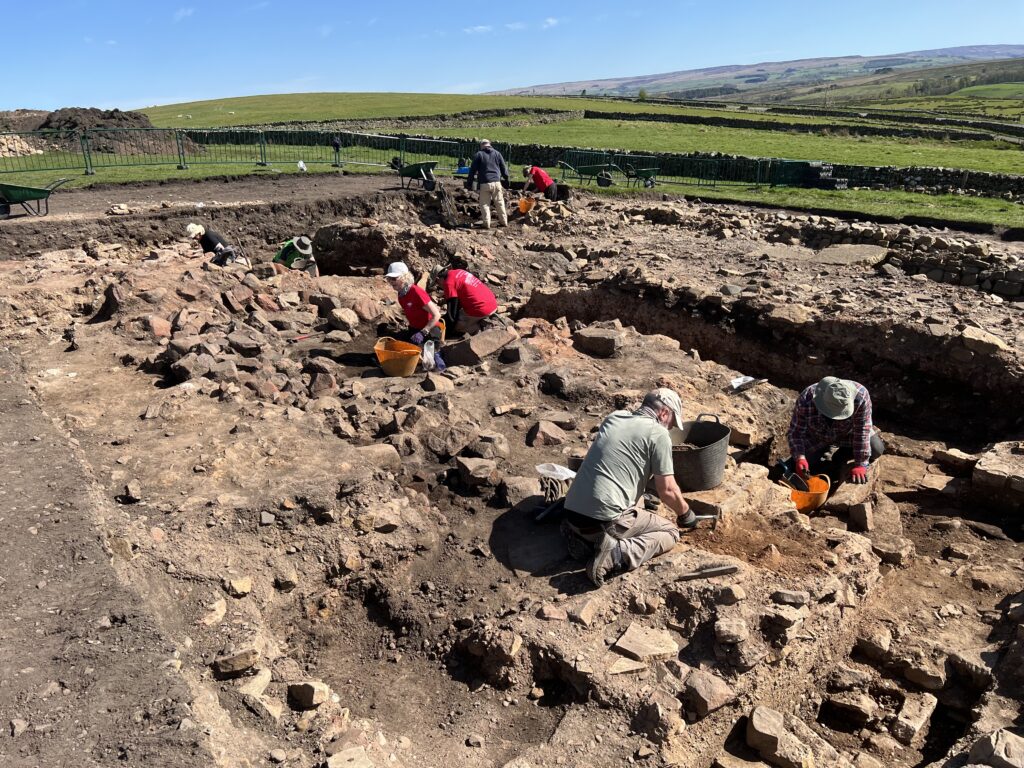
Elsewhere work is also continuing on the post-Roman wall, exposing further sections of both the south and west sides. I’m hoping that the full circuit of this wall or rampart is within our excavation area and are currently looking for where the southeast and northwest corners might be, sorting through the collapsed upper structure to find the foundations underneath.
Within the existing trench work is continuing in the praetorium to remove the antiquarian backfill and define the surviving pieces of Roman structure. A big step forward in this mission has been tying the remains we have in the ground to the sketch plan made during the antiquarian excavation. This wasn’t as straight forward as it sounds since it turns out they drew the north arrow pointing in the wrong direction! Once we worked out that north was actually east the remains we have started to make a lot more sense and we realised some of the rubble deposits actually mark out the lines of walls rather being random dumps of stone.
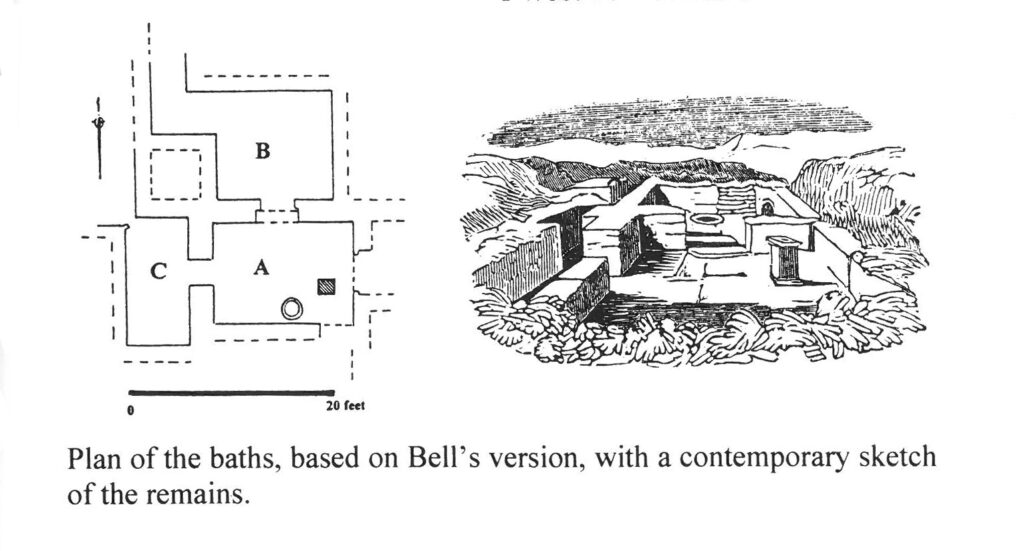
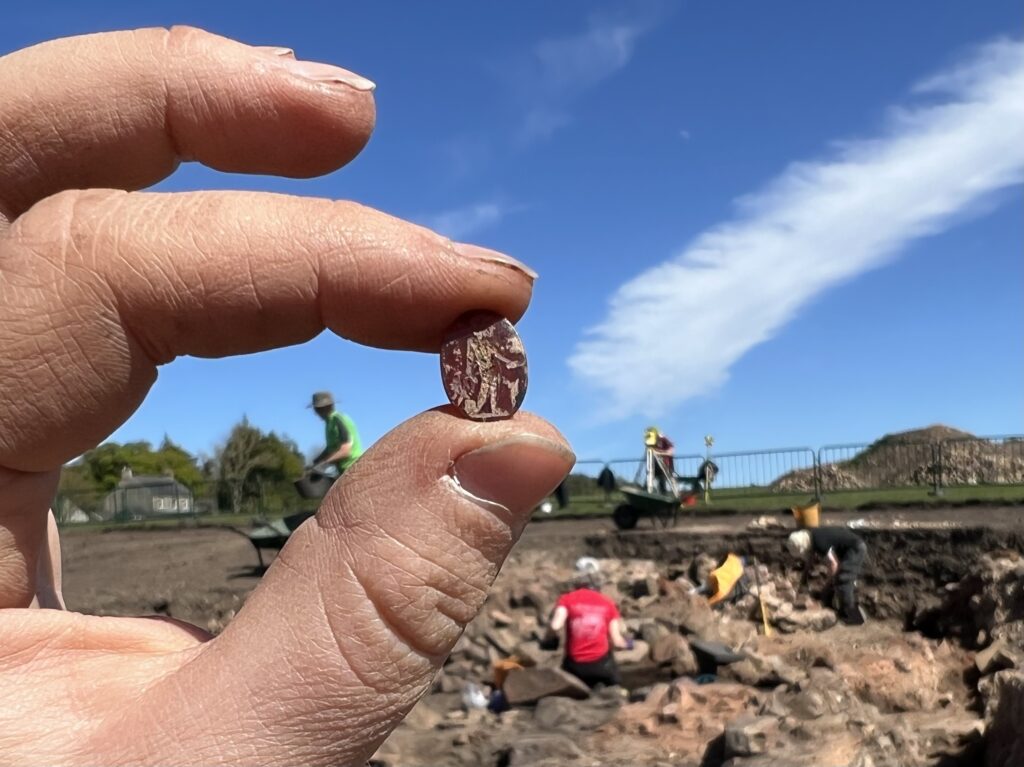
Some of the infill in these rooms dates back to the Roman period and is evidence of the building being modified throughout its lifetime; we’ve started to remove some of this to establish the original layout and have been rewarded with some lovely finds including an intaglio and more painted wall plaster. Rachel
29th April
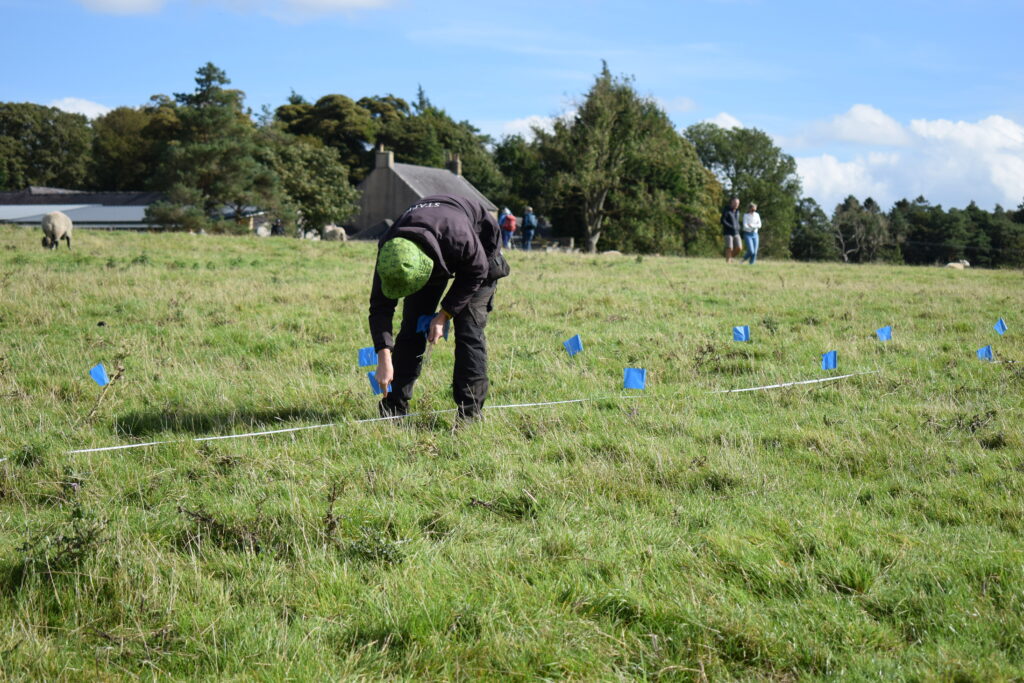
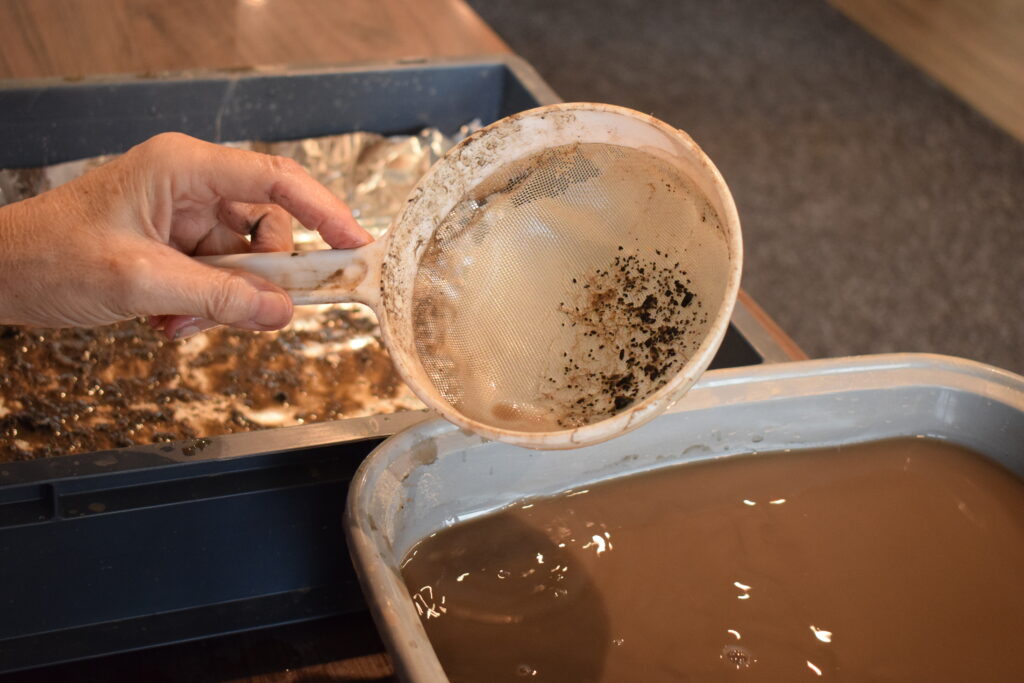
If you’ve kept up with excavations online for the past few years or are one of our dear volunteers, you know that we take a lot of soil samples here at Magna – and I’m happy to report that our rigorous soil sampling strategy is still ongoing this year. We’ve already taken a few whole earth samples which will be processed by our post-excavation team who’ve just begun over at Vindolanda this past Monday.
However, the bulk of our samples come from the large Roman drain which was primarily excavated last year (although with the extension of our trench, we should be getting more of that same drain this season). These samples will undergo a process called ‘flotation’ in order to recover any seeds, charred plant remains, micro-artifacts, bone, or other goodies that are hidden in the soil. The recovered remains are known as ‘light fraction’ or ‘heavy fraction’ depending on their specific gravity. After processing, the fraction is then sent to the appropriate specialist for analysis. Flotation can help us learn about the historic environment, the Roman diet, or even trade pathways along the Empire. As such, these soil samples are a vital part of our research here at the Vindolanda Trust. Franki
1st May
Time really does fly when you’re having fun, as somehow we are already one month into this season. The good weather has certainly helped with plenty of sunshine blessing our excavations and fuelling some great progress across the site.
Within the praetorium more of the original structure has been revealed, and we are starting to investigate the different phases of occupation that have survived below the antiquarian backfill. This has included two different levels of stone floor and a doorway between two of the rooms at the west side of the building, and further remains of the hypocaust system in the eastern end. More and more of this building is starting to take shape and it’s really satisfying to see the space come to life after everyone’s hard work removing the soil and rubble filling the space.
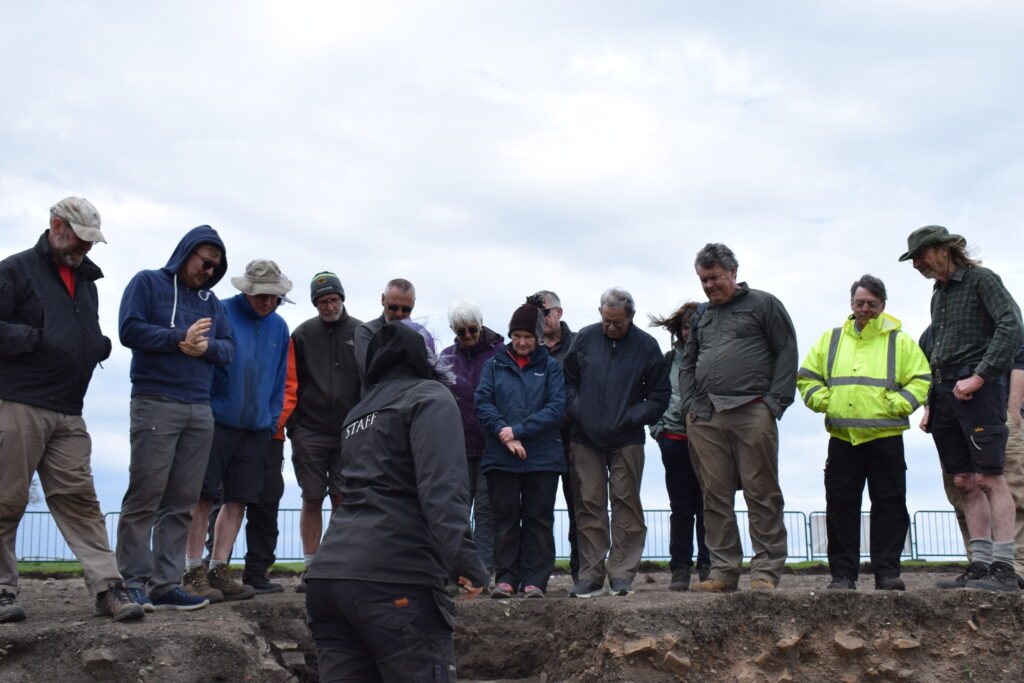
At both the north and east sides of the trench the post-Roman wall has continued to take shape. At the eastern end we have located not only the corner of structure where it starts to head north but also a narrow entryway through the wall. This passage double back on itself and is just big enough for one person to fit through at a time, effectively controlling access to the interior space. There is still no sign of a turn at the north edge, but instead we have a mystery bonus wall just to the west. I’m still not sure what this might be but it looks more typically Roman in its construction, with small squared stone forming the inside face.
In classic Friday style, we have had a last minute revelation this afternoon – the outer wall of the last stone fort has finally been located! After much heavy digging through layers of clay and stone rubble our volunteers have reached the surviving masonry just east of the SW angle tower. Despite how large this wall is, it has proven particularly hard to locate due to the extensive demolition, collapse and stone robbing of the fort and post-Roman remodelling. Hopefully, we will now be able to follow this round and reveal more of the wall circuit in future periods! Rachel