

Pre Excavation Season
We’re excited to welcome everyone back to the trenches at Magna for the 2026 excavation season, beginning on 6th April. The dig diary will once again bring you behind the scenes of the excavation, sharing discoveries and what happens on site.
But the dig season doesn’t begin when the first trowel hits the soil. Before the season begins, the archaeology team is hard at work behind the scenes. So what exactly happens during the winter months? Hear from the archaeology team about what they’ve been up to.
Tommy: Magna Archaeology Assistant
Tommy – Magna Archaeology Assistant
Hello everyone! I’m Tommy, the new Archaeological Assistant for the cracking site of Magna Fort. I grew up just down the road from Vindolanda and Magna, so both sites hold a very special place in my heart alongside my love for Northumberland and its wonderfully varied history. I honestly can’t wait to get properly stuck in and covered in mud for this year’s excavations, working alongside all the fantastic teams traveling from across the globe to help.
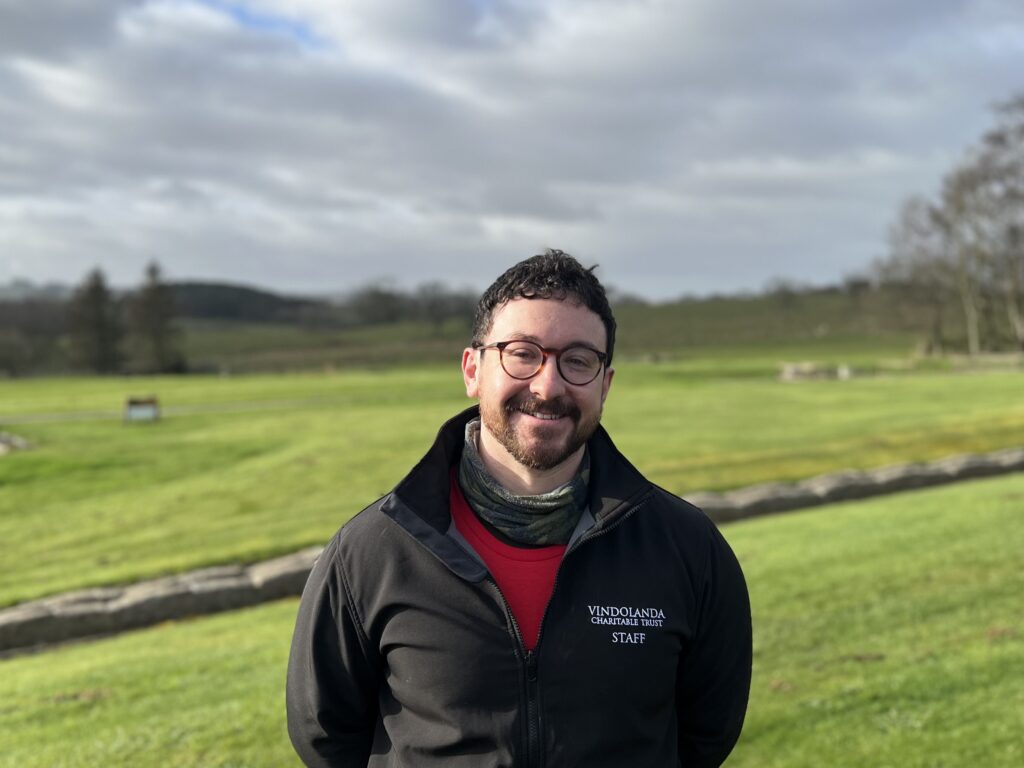
My passion for archaeology and history goes back as long as I can remember, and I’ve been fortunate enough to excavate a multitude of sites across the UK. My experience ranges from the tidal beauty of Lindisfarne and the layers of Carlisle to my most recent work with Cotswold Archaeology in the South of England. After graduating from Newcastle University with an MA in Archaeology in 2023, it is incredibly exciting to be back on “home turf” here at Magna.
While my current focus is Roman, my interests are quite broad. I have a real soft spot for the Neolithic period , and I do enjoy a bit of flint knapping when I can, as well as Anglo-Saxon England. I am particularly fascinated by Late Antiquity and the rise of cult worship, such as Sol Invictus, Mithras, and the early Christian church. Exploring these shifting beliefs through the physical remains we find in the ground is what makes the job so rewarding.
What I am most looking forward to this season is sharing in this story with both my fellow “wheelbarrow pushers” and “trowel scrapers,” as well as the wider community. Part of the true thrill of archaeology is that we can all engage with our shared history and heritage, no matter where we come from. I’m eager to learn from the volunteers and staff at the Vindolanda Trust, as I truly believe that regardless of which site you are on, there is always something new to be discovered. Tommy
Franki – Geoarchaeologist
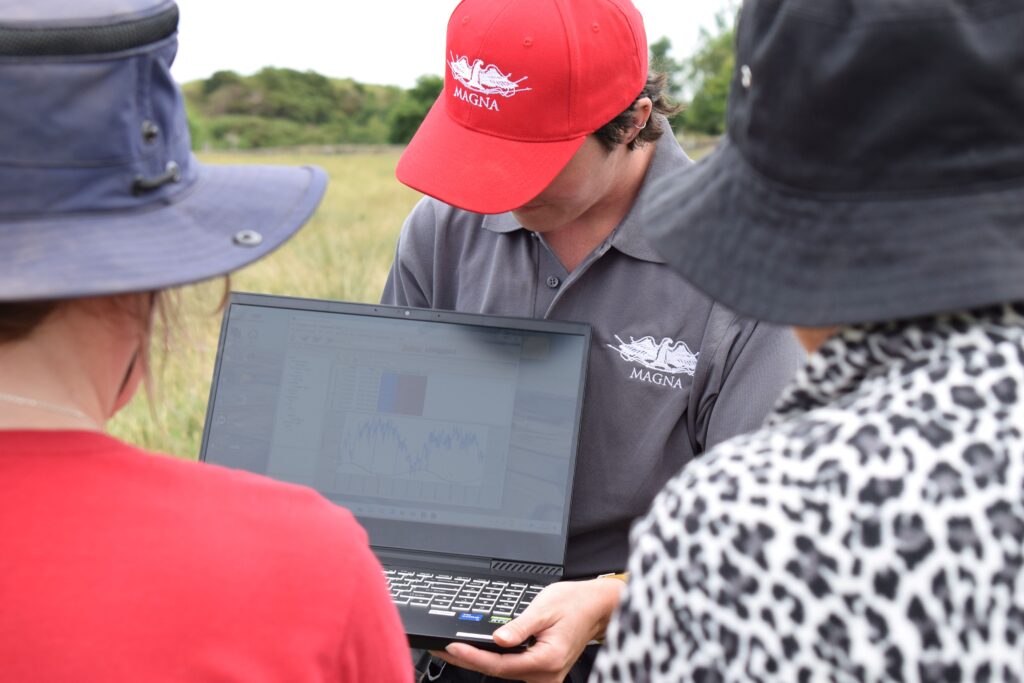
Just about two weeks until the fourth excavation season at Magna begins! It’s been a busy winter of soil processing, report writing, presentations, and data compilation in my role as the project’s geoarchaeologist. In addition to my more typical winter tasks at Vindolanda, I’ve been developing a Shiny Application which allows users to view the data collected from our weather station and environmental probe array at Magna. In the application webpage, users can view environmental variables with different time averages and a range of dates. The data will be updated intermittently but currently runs from January 1, 2023 to January 31, 2026. This app will hopefully help people gain a better understanding of the data we are working with – both in terms of the content and the sheer amount of data points! This also allows our Friends from far away to keep up with what’s happening underground at Magna. I hope that all interested parties enjoy interacting with our data in an appropriate manner and learn something new! Franki
Cristina – Pottery Specialist
Hi all, Cristina here, writing from a desk filled with pottery and accompanied by a lovely site view. While it might have seemed quieter over the winter, there’s plenty going on behind the scenes as we prepare for the 2026 excavation season. Much of my time has been spent on processing and analysing the pottery recovered during the 2025 excavations from Magna and Vindolanda. The ultimate goal is to get us thinking on how the ceramic material fits into the bigger picture of the sites, ahead of the new season.
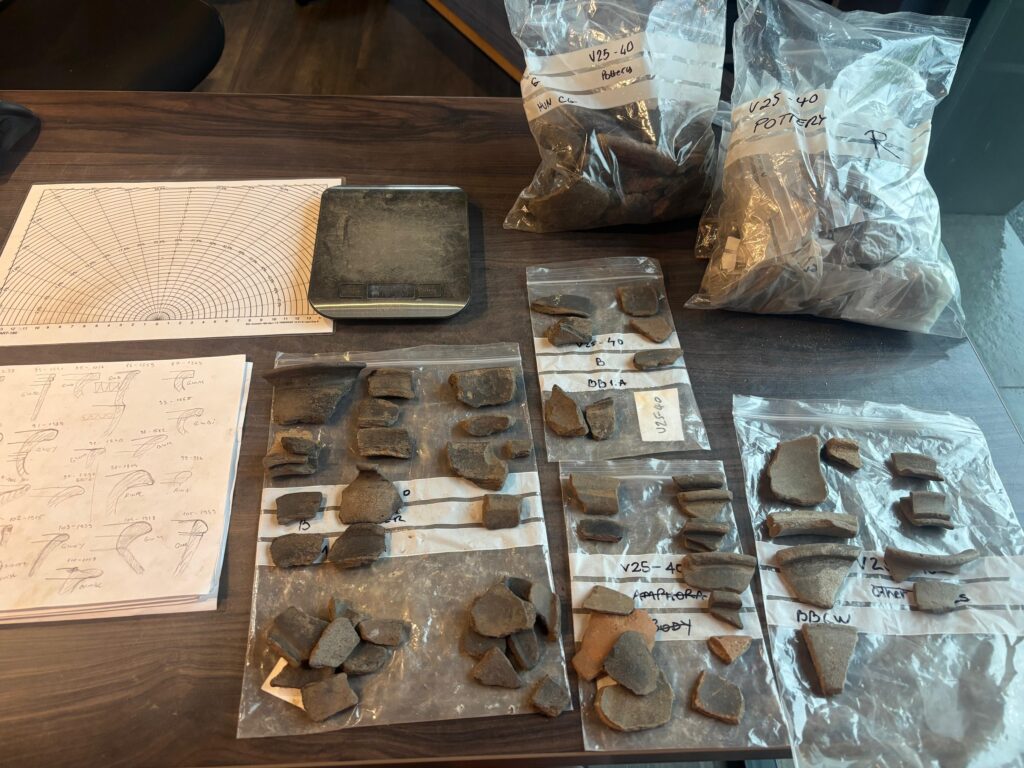
At the moment, I am looking at fabrics and forms to refine dating as well as to better understand the supply and social activity on the two sites. This kind of detailed work is slow but rewarding, as once I start playing with the data, illuminating patterns begin to emerge, informing us on different consumption styles amongst different social and chronological contexts. And of course, all this is possible thanks to the fellow sherd nerd volunteers.
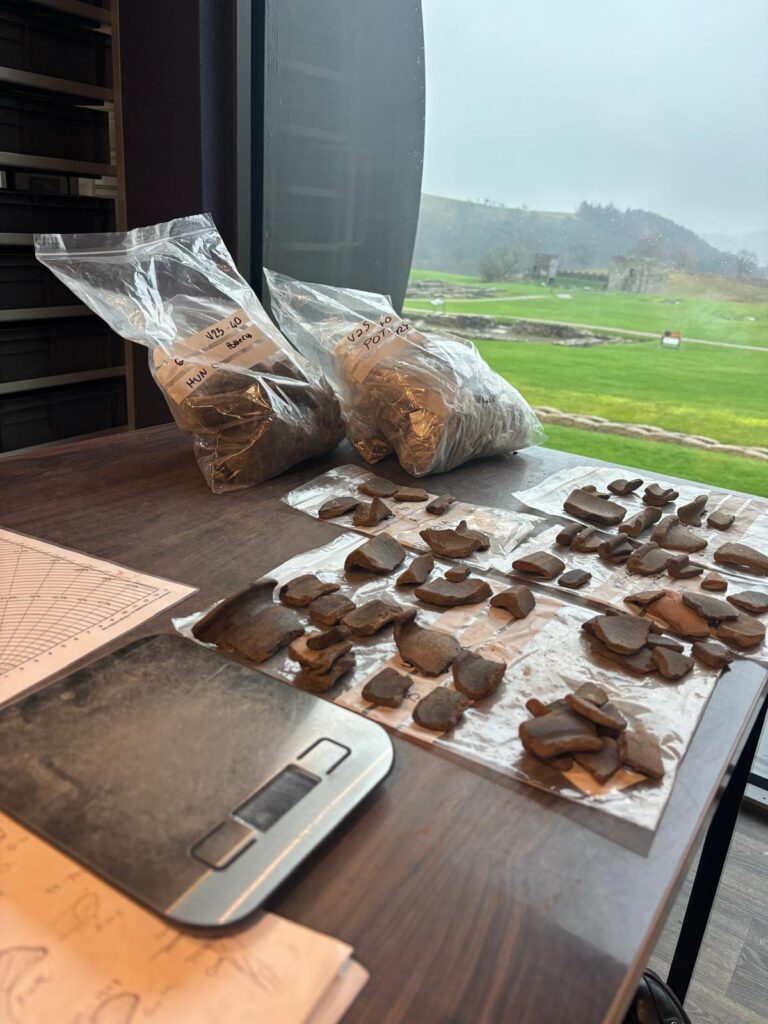
Alongside this, I’ve been involved in planning and preparing for the season ahead, thinking about how specialist work can best support what we uncover on site. Winter is very much about laying the groundwork, so that when we’re back in the trench, we can make the most of every find and every context. I’m looking forward to seeing how this winter’s work feeds directly into the 2026 dig. See you all soon, and don’t forget to keep an eye on our reports, which will come out this summer and reveal more of the winter work we’ve all done! Cristina
Rachel – Senior Archaeologist
We often get questions about what all the archaeological staff get up to in the winter; indeed, many of our volunteers can’t imagine us anywhere other than in the trenches making new discoveries! Unfortunately, the Northumberland winter weather is not normally the sort of conditions to make you want to spend large amounts of time in the outdoors, so we close up the site for the winter and move indoors instead.
However, this doesn’t mean we aren’t still learning more about the history of Magna and its ancient inhabitants. Much of the in-depth research into the archaeological features and artefacts is done during the winter months, reassessing the material that we found and comparing it to other examples from the Roman world. This is then shared with our audiences through public lectures, press releases and publications. The annual interim reports are our chance to update everyone on the latest results from the project and our current interpretation, though these can sometimes change as we continue to excavate and learn more about the site!
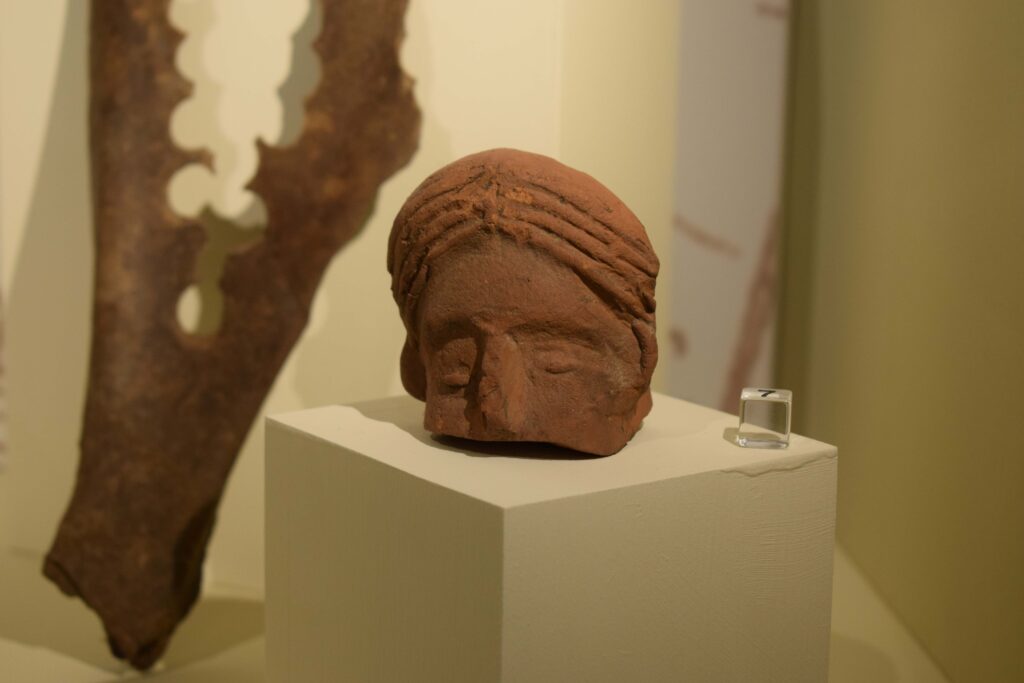
One artefact that I have been researching in more detail this winter is a terracotta statue head found in the backfill of the fort ditch. Part of this has involved investigating terracotta statues and figurines in the wider Roman world to understand what they were used for and where they have been found previously. I have also been searching for other comparable statue heads and have found a very similar example close to home, in the Great North Museum: Hancock. You can read more about the ongoing research here, or come and see the Magna head on display at the Roman Army Museum.
As archaeologists, it’s also equally important for us to make sure that all of the paperwork and other recording is completed and added to the project archive for long-term storage. While this isn’t information that’s typically available to the general public (or necessarily of interest to them!) it’s very important for us to leave detailed records of the work we have done as archaeology is a destructive process – once we have excavated an area we can’t put it back. This information can then be used by other researchers studying similar features, or future archaeologists excavating at Magna, to fully understand the work we have done and how the data backs up the final interpretation of the site. Rachel